

Solar Panel Cleaning & Maintenance Guide for Kerala: Monsoon Care & AMC Schedules
Comprehensive maintenance handbook for rooftop solar systems in Kerala. Safe panel washing techniques, soiling loss mitigation, inverter health diagnostics, and seasonal monsoon inspections.
Disclaimer: GSR Energies is an independent solar EPC contractor empaneled for PM Surya Ghar & KSEB net-metering installations. Government policies and subsidy guidelines are referenced directly from MNRE/KSEB official notifications. Regulations, tariffs, fees and application procedures may change; confirm the latest official KSEB/KSERC/MNRE information before making a final investment decision.
- Dust, pollen, and bird soiling in Kerala can reduce solar panel generation by 8% to 18% if panels are not washed regularly.
- Panels should be washed early in the morning or late evening when the glass is cool to prevent microcracks caused by thermal shock.
- Use plain clean water and a soft microfiber mop or squeegee. Never use abrasive powders, hard wire brushes, or high-pressure power washers.
- Pre-monsoon maintenance should verify structural bolt tightness, drain channel clearing, and cable tie integrity.
- Annual maintenance contracts (AMC) from qualified EPCs verify earthing pit resistance (< 5 ohms), inverter firmware, and thermal hot spots.
Table of Contents
Recommended Solar Panel Cleaning Frequency in Kerala
Kerala's tropical environment features distinct seasonal patterns that dictate solar cleaning intervals.
| Season / Months | Recommended Washing Frequency | Key Environmental Factors |
|---|---|---|
| Dry Summer Season (Dec – May) | Every 15 to 20 Days | Atmospheric dust, road pollution, tree pollen, bird droppings |
| South-West Monsoon (Jun – Aug) | Natural Rain Rinsing | Heavy rainfall naturally clears loose dust; inspect for moss/algae at lower frame edges |
| Post-Monsoon (Sep – Nov) | Once a Month | High humidity accelerates organic film accumulation; thorough wash recommended |
Safe Panel Washing Practices: Crucial Do's and Don'ts
Improper cleaning can permanently damage the anti-reflective glass coating or cause micro-fractures in silicon cells.
- —DO wash early in the morning (6:30 AM – 8:00 AM) or late afternoon (after 5:30 PM) when panels are cool to the touch.
- —DO use soft, lint-free microfiber mops or non-abrasive rubber squeegees with clean running water.
- —DON'T pour cold water on hot solar panels at midday—thermal shock can instantly shatter the tempered glass.
- —DON'T use abrasive detergents, acid solutions, or chemical toilet cleaners that corrode the anodized aluminum frame and EVA sealant.
- —DON'T walk or exert body weight on the glass surface; microscopic microcracks destroy generation capacity over time.
Kerala Monsoon Solar Plant Protection & Drainage
Before the onset of heavy June monsoons, conduct a visual inspection of your rooftop array. Ensure that roof drainage outlets near the solar structure are free of leaves and debris to prevent standing water accumulation around structure footings.
Inspect the cable management trays and UV conduit pipes. Ensure all DC cables are firmly fastened above roof level and not resting in puddles. Verify that the AC/DC distribution box door seals are tightly clamped to prevent moisture ingress.
What Homeowners Can Do vs Professional Solar AMC Tasks
While routine surface washing is safely manageable by homeowners using a ground-level telescopic hose, comprehensive electrical diagnostics require certified solar technicians equipped with calibrated instruments.
GSR Energies Solar AMC technicians perform: Open-circuit voltage (Voc) and short-circuit current (Isc) testing per string; thermal infrared imaging to detect hot-spot cell degradation; copper-bonded chemical earthing pit resistance measurement (maintaining below 5.0 ohms); inverter heat sink cleaning and firmware updates; and torquing verification of all structural SS304 fasteners.
Kerala Rooftop Solar & KSEB Implementation Impact
How these regulations, technical specifications, and standards apply specifically to homes and commercial setups connected to the Kerala State Electricity Board (KSEBL) grid:
- Helps Kerala homeowners protect their 30-year solar investment against heavy monsoon algae and fungal growth.
- Eliminates safety hazards by outlining clear protocols for working on slippery wet rooftops.
- Ensures consistent high performance ratios (PR) across dry summer months and humid monsoon seasons.
Frequently Asked Questions
Does rainwater clean solar panels completely during the monsoon?
Rainwater washes away loose surface dust, but it leaves behind mineral spots and organic films along the lower frame edge where water pools. A gentle post-monsoon manual wash is necessary to restore peak efficiency.
Can a pressure washer be used to clean solar panels?
High-pressure power washers should NOT be used on solar modules. Excessive water pressure can force moisture past the laminate edge seal and damage the delicate silicon cell busbars.
Internal Solar Resources for Kerala
Explore Helpful Kerala Solar Tools & Solutions
Solar Savings Calculator
Calculate system sizing, monthly units & PM Surya Ghar subsidy
Residential Rooftop Solar
Home solar systems (3kW – 10kW) with KSEB net metering
Commercial & Industrial Solar
Turnkey rooftop & captive solar for businesses, hospitals & factories
Verified Kerala Projects
100+ executed rooftop installations across Kerala districts
Free Site Assessment
Request shadow survey & personalized engineering feasibility
Free Solar Proposal For Your Roof
Planning Solar for Your Home or Business in Kerala?
Get an accurate rooftop survey, shadow analysis, and subsidy calculation — with zero charges and zero obligation.
Related Solar Guides & News
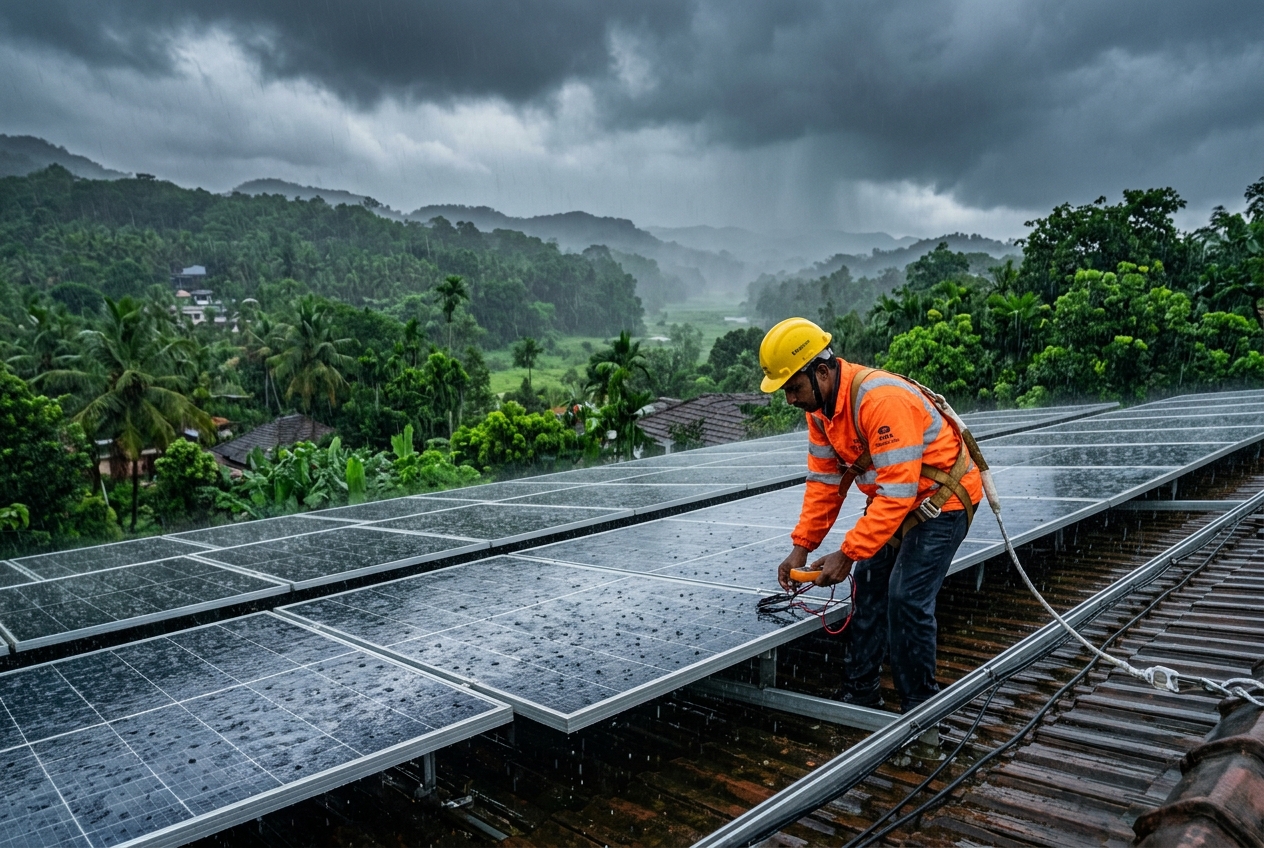
Maintenance & Performance
Kerala Monsoon Solar Maintenance: Plant Generation in Heavy Rain, Algae Prevention & Lightning Protection
Read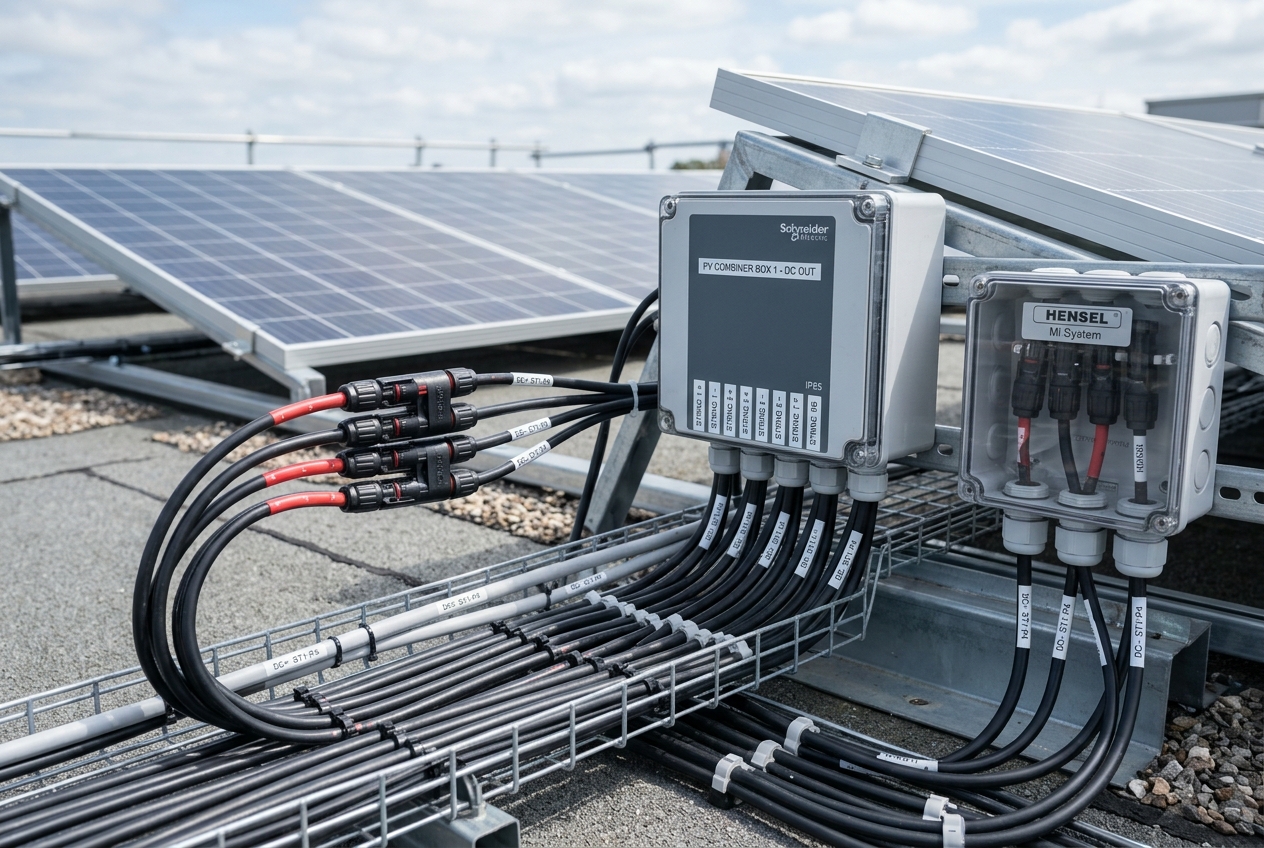
Solar Technology & Hardware
Solar BOS Materials Explained: Mounting Structures, DC Cables, Earthing & Surge Protection for Kerala
Read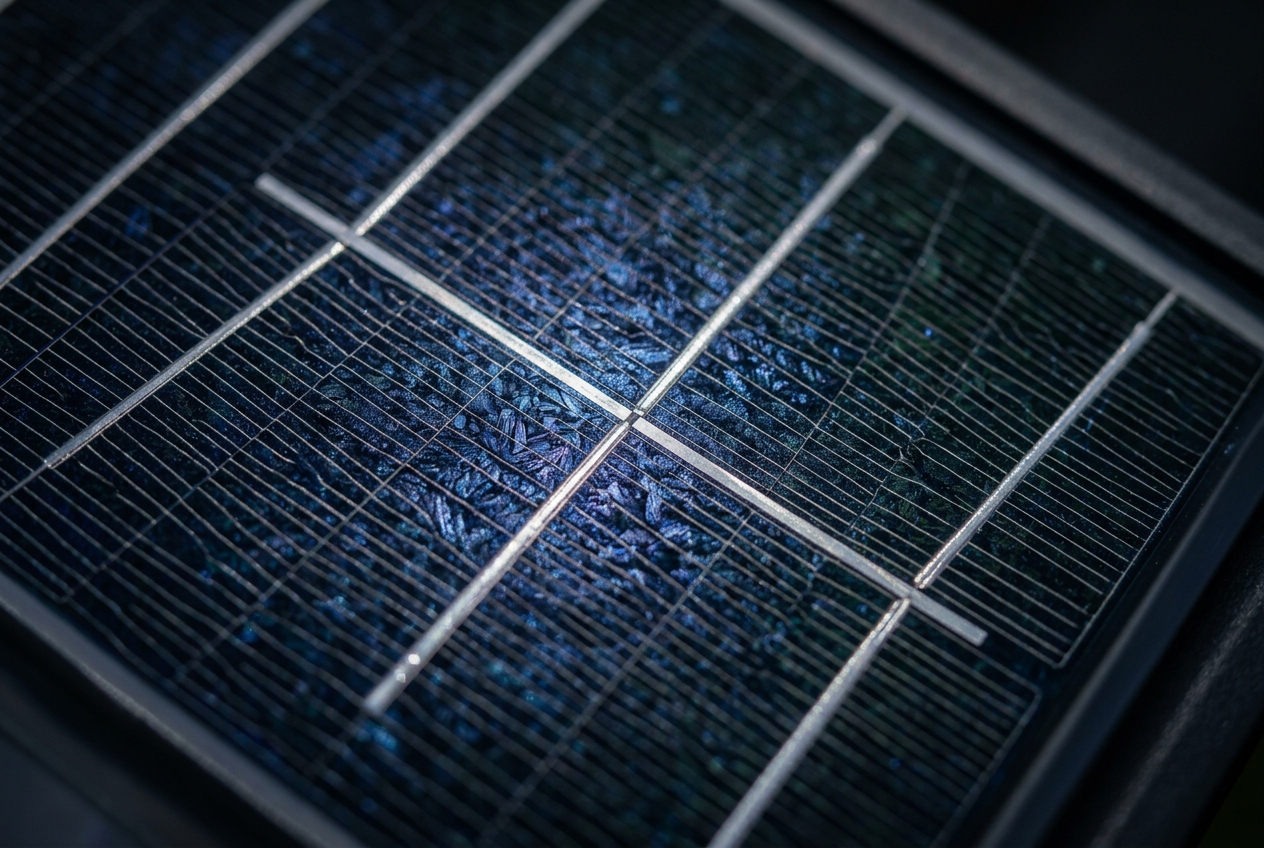
Solar Technology & Hardware