
Solar BOS Materials Explained: Mounting Structures, DC Cables, Earthing & Surge Protection for Kerala
Understanding Balance of System (BOS) components in a solar installation — GI/aluminium mounting structures, UV-rated DC cables, MC4 connectors, earthing systems, and Type II SPD surge protectors — and why material quality matters for 25 years.
Disclaimer: GSR Energies is an independent solar EPC contractor empaneled for PM Surya Ghar & KSEB net-metering installations. Government policies and subsidy guidelines are referenced directly from MNRE/KSEB official notifications.
- Balance of System (BOS) components — mounting structures, cables, connectors, earthing, and surge protectors — account for 20-30% of a solar installation's cost but critically determine its 25-year longevity.
- Mounting structures in coastal or humid Kerala must be hot-dip galvanized (HDG) steel or anodized aluminium with 80 micron+ corrosion protection.
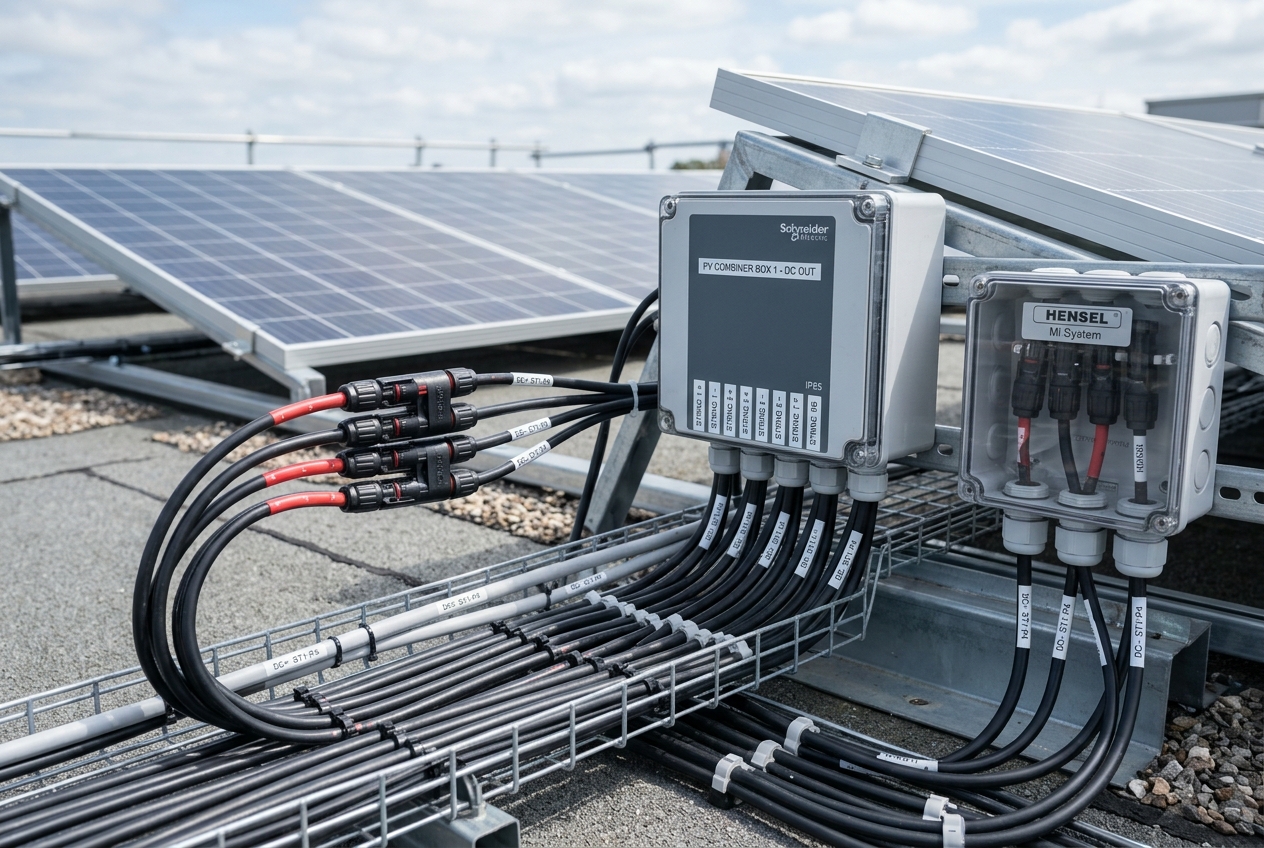
- DC solar cables must be TUV 2PfG-certified, rated at 1000V DC, UV-resistant, and rated for 30 years — ordinary building wires are NOT acceptable.
- Earthing resistance must be below 5 Ohms measured with an earth resistance tester — verified annually under GSR AMC programs.
- Type II SPD (Surge Protection Devices) rated at 40kA or above are mandatory in lightning-prone districts like Idukki, Wayanad, and Thrissur.
- MC4 connector quality is critical — low-grade MC4 clones cause the majority of rooftop solar fire incidents in India.
Table of Contents
Mounting Structures — The Skeleton of Your Solar Plant
Solar panel mounting structures bear the mechanical load of panels (typically 20-25 kg per panel) plus wind pressure and seismic forces. In Kerala, wind speeds during cyclonic storms can reach 120-150 km/h. Mounting structures must be designed per IS 875 Part 3 (Wind Loads on Structures) to withstand these forces without panel displacement.
GSR Energies uses either hot-dip galvanized (HDG) MS channel structures (for flat concrete rooftops) or anodized aluminium rail systems (for sloped tile/Mangalore rooftops). Both are rated for 25+ year corrosion resistance in Kerala's coastal humidity environment.
Earthing — The Safety Foundation of Every Solar Plant
All metallic parts of a solar system — module frames, mounting structures, inverter chassis, conduit trays — must be bonded together and connected to earth via a dedicated earthing pit. This prevents dangerous touch voltages during insulation failures and provides a safe path for lightning surge currents.
Two separate earthing pits are recommended: one for DC (panel array) earthing and one for AC (inverter) earthing, both with resistance below 5 Ohms. Chemical earthing compounds in Kerala's soil types provide long-lasting resistance stability compared to conventional GI electrode methods.
Kerala Rooftop Solar & KSEB Implementation Impact
How these regulations, technical specifications, and standards apply specifically to homes and commercial setups connected to the Kerala State Electricity Board (KSEBL) grid:
- Kerala's coastal humidity, monsoon winds (up to 150 km/h gusts), and frequent lightning make BOS material quality non-negotiable — not optional.
- Low-cost installations using ordinary GI pipe structures, building-grade cables, and no-name MC4 clones face structural failure or fire risk within 5-8 years.
- GSR Energies exclusively uses LAPP/Polycab TUV solar cables, Staubli/Amphenol MC4 connectors, and hot-dip galvanized channel structures rated for IS 875 wind loads.
Frequently Asked Questions
How do I know if my installer is using genuine quality materials?
Ask for TUV certification numbers on DC cables, check MC4 connector branding (genuine Staubli or Amphenol connectors have embossed logos), and request the earthing test certificate showing resistance below 5 Ohms.
Internal Solar Resources for Kerala
Explore Helpful Kerala Solar Tools & Guides
Kerala Solar Subsidy Calculator
Calculate system sizing, monthly savings & PM Surya Ghar subsidy
KSEB Net Metering Regulations
Full step-by-step application walkthrough for KSEBL bi-directional meters
Residential Rooftop Solar Solutions
On-grid, hybrid, and battery storage turnkey installation packages
Free Kerala Rooftop Site Assessment
Request shadow analysis & personalized engineering feasibility study
Free Solar Proposal For Your Roof
Planning Solar for Your Home or Business in Kerala?
Get an accurate rooftop survey, shadow analysis, and subsidy calculation — with zero charges and zero obligation.
Related Solar Guides & News
Maintenance & Performance
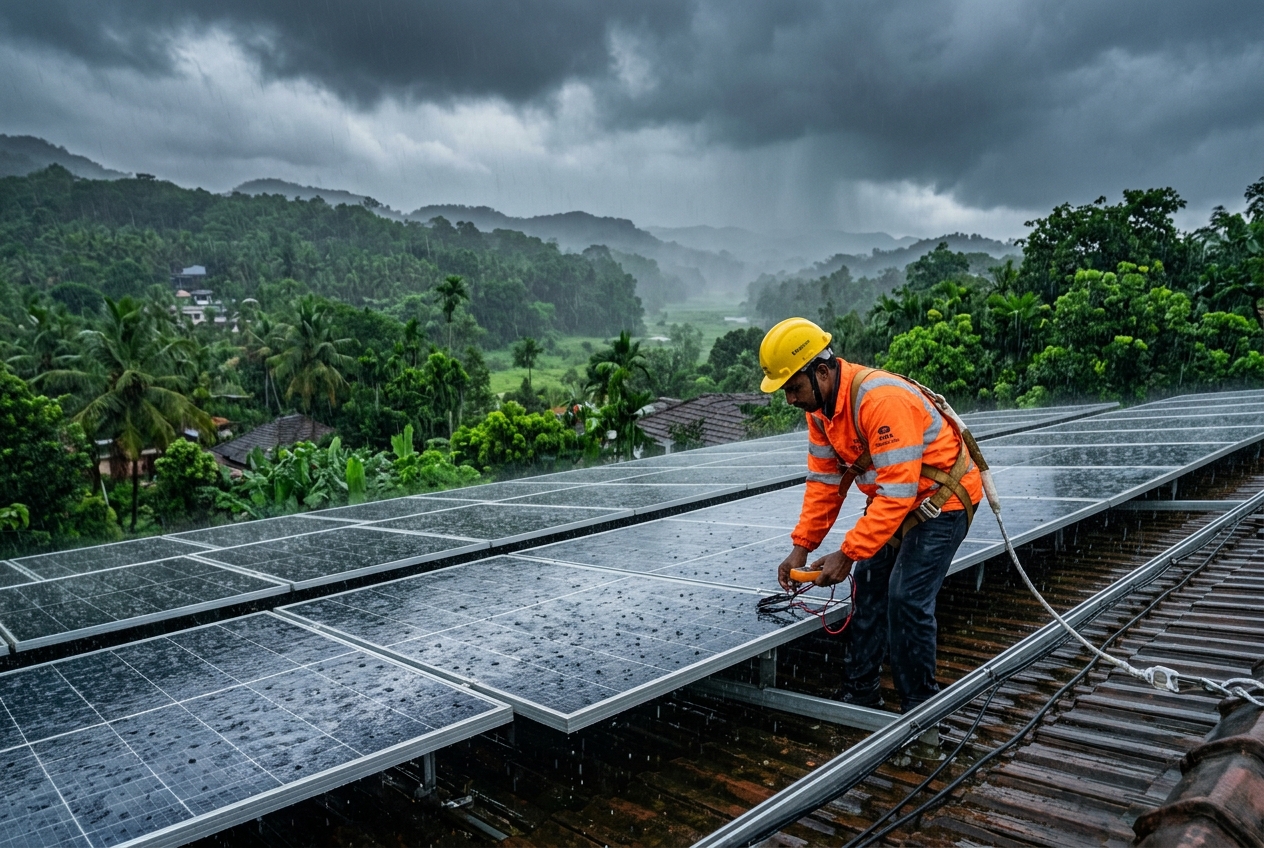
Kerala Monsoon Solar Maintenance: Plant Generation in Heavy Rain, Algae Prevention & Lightning Protection
Read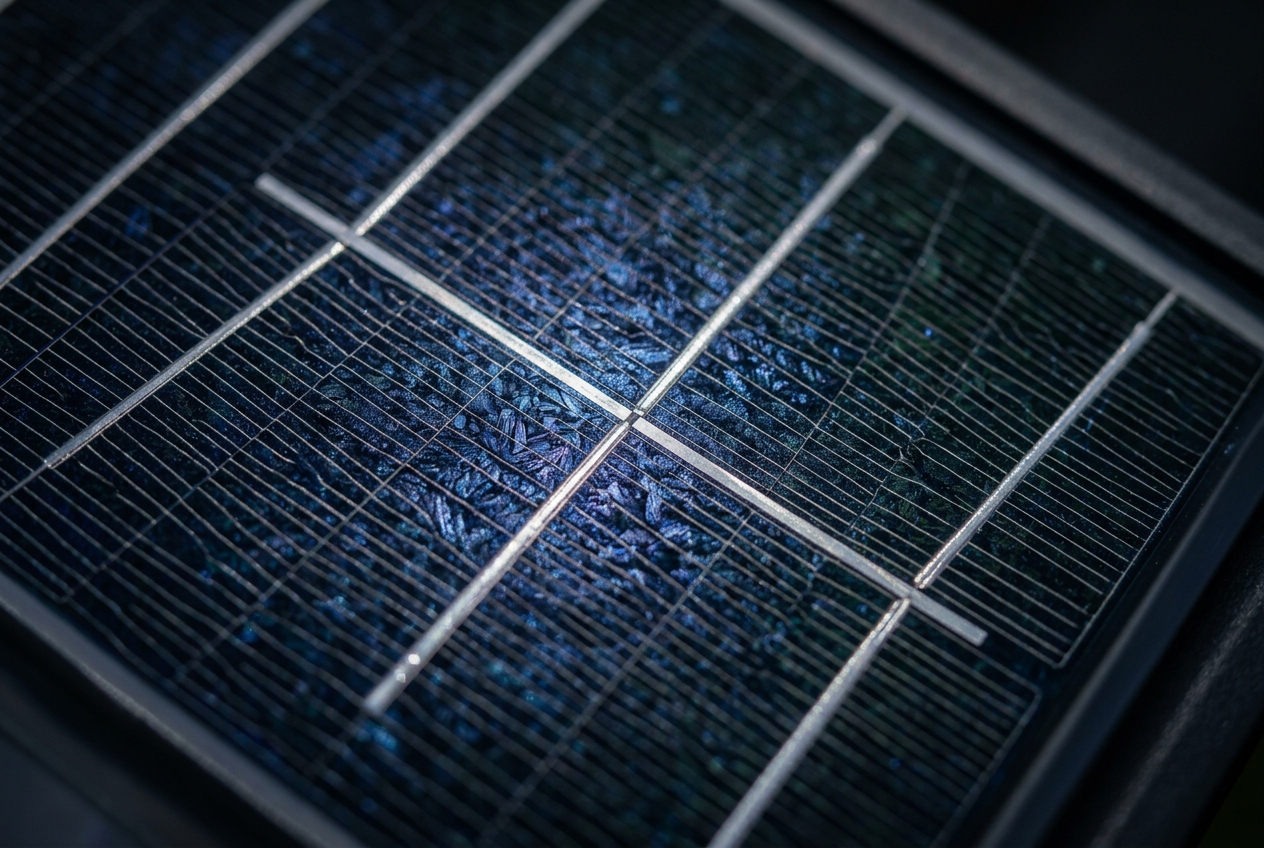
Solar Technology & Hardware
N-Type TOPCon vs Mono PERC in Kerala: Generation Efficiency, Monsoon Performance & Heat Degradation
Read
Solar Technology & Hardware