
Kerala Monsoon Solar Maintenance: Plant Generation in Heavy Rain, Algae Prevention & Lightning Protection
Essential maintenance practices for rooftop solar plants facing the intense Kerala monsoon. Addressing algae growth on panel glass, corrosion protection, structural wind rating (150 km/h), and lightning surge safety.
Disclaimer: GSR Energies is an independent solar EPC contractor empaneled for PM Surya Ghar & KSEB net-metering installations. Government policies and subsidy guidelines are referenced directly from MNRE/KSEB official notifications.
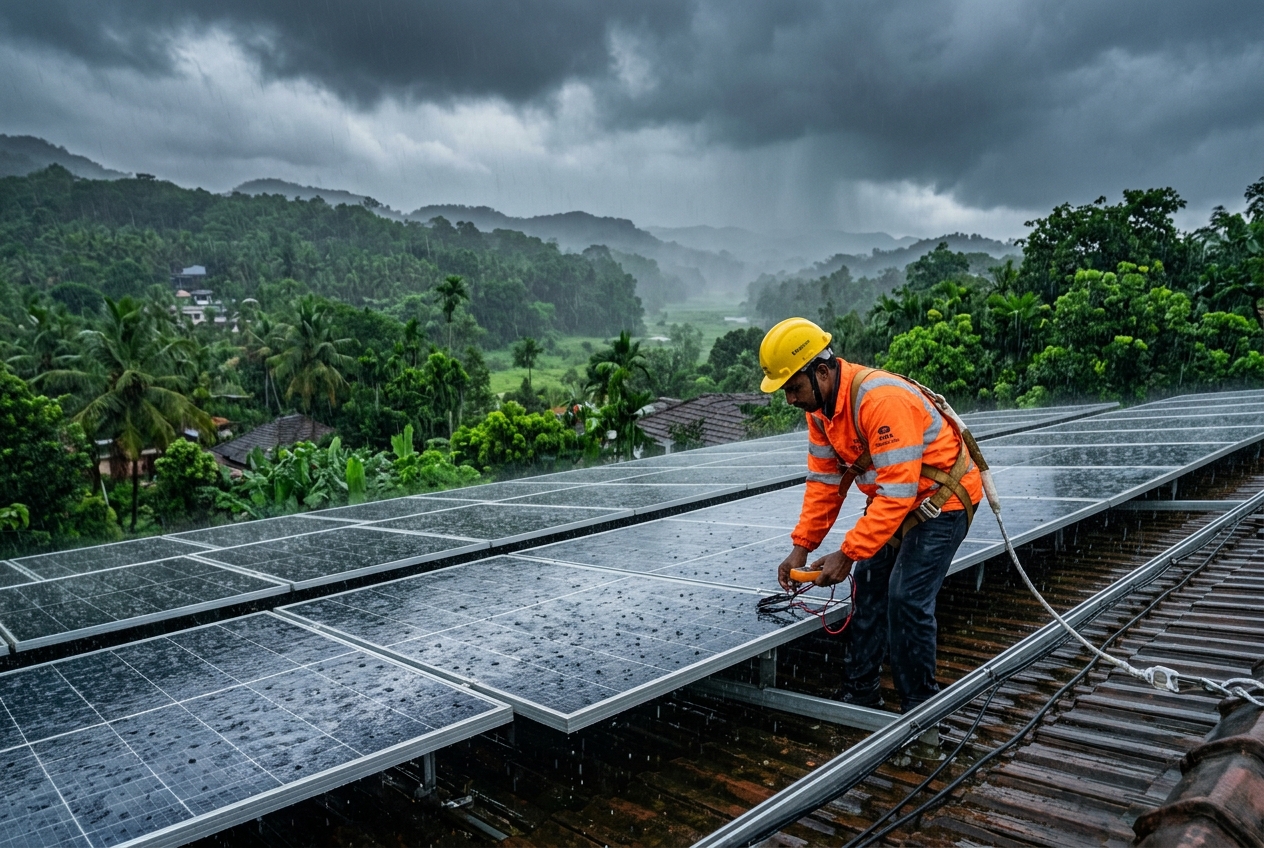
- Rooftop solar panels continue to generate electricity during cloudy and rainy monsoon days using diffuse ambient light (producing 20% to 45% of peak capacity).
- Kerala’s high humidity and heavy rainfall encourage moss and micro-algae growth along the bottom aluminum frame edge, which can lead to hot-spot cell damage if uncleaned.
- Never clean solar panels using abrasive scouring pads, hard borewell water with high calcium carbonates, or detergent soaps that leave reflective residues.
- Galvanized structures and stainless steel (SS304) fasteners are critical to prevent rust and corrosion in coastal and high-humidity Kerala environments.
- Dedicated chemical earthing pits with resistance below 5 Ohms and Type II Surge Protection Devices (SPD) are non-negotiable for lightning-prone zones like Central and North Kerala.
Table of Contents
Do Solar Panels Generate Power During Continuous Monsoon Rain?
A common misconception in Kerala is that rooftop solar is useless between June and August. Photovoltaic solar panels do not require direct heat or blazing sunshine; they convert photon energy from daylight into electricity.
Even under thick rain clouds, diffuse light reaches the earth. On heavily overcast days in Kerala, a well-designed N-Type TOPCon or Mono PERC plant generates 20% to 35% of its clear-day output. During intermittent rainy days with brief sunny intervals, generation frequently reaches 60% of average daily totals.
Combating Algae, Moss & Frame Residue in Humid Climates
Because Kerala experiences sustained humidity levels exceeding 85% during monsoons, water pooling along the lower aluminum lip of tilted panels can foster green algae and lichen spores. If left untreated, algae creeping onto active solar cells creates partial shading, inducing localized electrical resistance called "hot spots" that permanently degrade silicon cells.
Cleaning Protocol: Inspect panels once every 3 to 4 months. Use soft microfiber mops or sponge squeegees with clean municipal or filtered water (total dissolved solids < 200 ppm). Wash early in the morning (6:30 AM to 8:00 AM) or late evening to prevent thermal shock fractures to hot glass.
Wind Load Engineering (IS 875 Part 3 Standard)
Kerala experiences severe monsoon cyclonic gusts reaching 130 km/h to 150 km/h in coastal regions (Kozhikode, Kannur, Alappuzha) and elevated hill tracts (Wayanad, Idukki).
GSR Energies engineers all mounting structures using Hot-Dip Galvanized Iron (HDGI with minimum 80-micron zinc coating) or high-grade anodized aluminum. Fasteners must be marine-grade Stainless Steel (SS304 or SS316). Base plates are anchored into RCC roof slabs using heavy-duty chemical fasteners or concrete anchor blocks to eliminate roof puncture leaks.
Chemical Earthing & Surge Protection Protocols
Kerala records some of India’s highest lightning flash densities, especially in Palakkad, Thrissur, and Malappuram districts during pre-monsoon and post-monsoon thunderstorms.
Every rooftop solar plant must have three dedicated, isolated earthing pits: (1) DC Earthing for array frame and structure, (2) AC Earthing for inverter body and AC distribution board, and (3) Dedicated Lightning Arrestor (LA) earthing. Using maintenance-free chemical copper-bonded earth electrodes ensures soil resistance remains safely under 5 Ohms year-round.
Kerala Rooftop Solar & KSEB Implementation Impact
How these regulations, technical specifications, and standards apply specifically to homes and commercial setups connected to the Kerala State Electricity Board (KSEBL) grid:
- Prevents structural failure and panel detachment during severe thunderstorm squalls and monsoon gale winds.
- Ensures continuous 25-year equipment warranty compliance by adhering strictly to authorized maintenance protocols.
- Guarantees maximum generation recovery immediately when clear skies return in September and October.
Frequently Asked Questions
Does rain clean solar panels automatically?
Rain washes away loose surface dust, but it does not remove stubborn bird droppings, sticky tree sap, or algae film along the bottom edge. A periodic manual rinse is still recommended.
Can walking on solar panels break them?
Yes. Never walk, stand, or place heavy ladders on solar panels. Doing so causes micro-cracks in silicon cells that are invisible to the naked eye but drastically reduce power and void manufacturer warranties.
Internal Solar Resources for Kerala
Explore Helpful Kerala Solar Tools & Guides
Kerala Solar Subsidy Calculator
Calculate system sizing, monthly savings & PM Surya Ghar subsidy
KSEB Net Metering Regulations
Full step-by-step application walkthrough for KSEBL bi-directional meters
Residential Rooftop Solar Solutions
On-grid, hybrid, and battery storage turnkey installation packages
Free Kerala Rooftop Site Assessment
Request shadow analysis & personalized engineering feasibility study
Free Solar Proposal For Your Roof
Planning Solar for Your Home or Business in Kerala?
Get an accurate rooftop survey, shadow analysis, and subsidy calculation — with zero charges and zero obligation.
Related Solar Guides & News
Solar Technology & Hardware
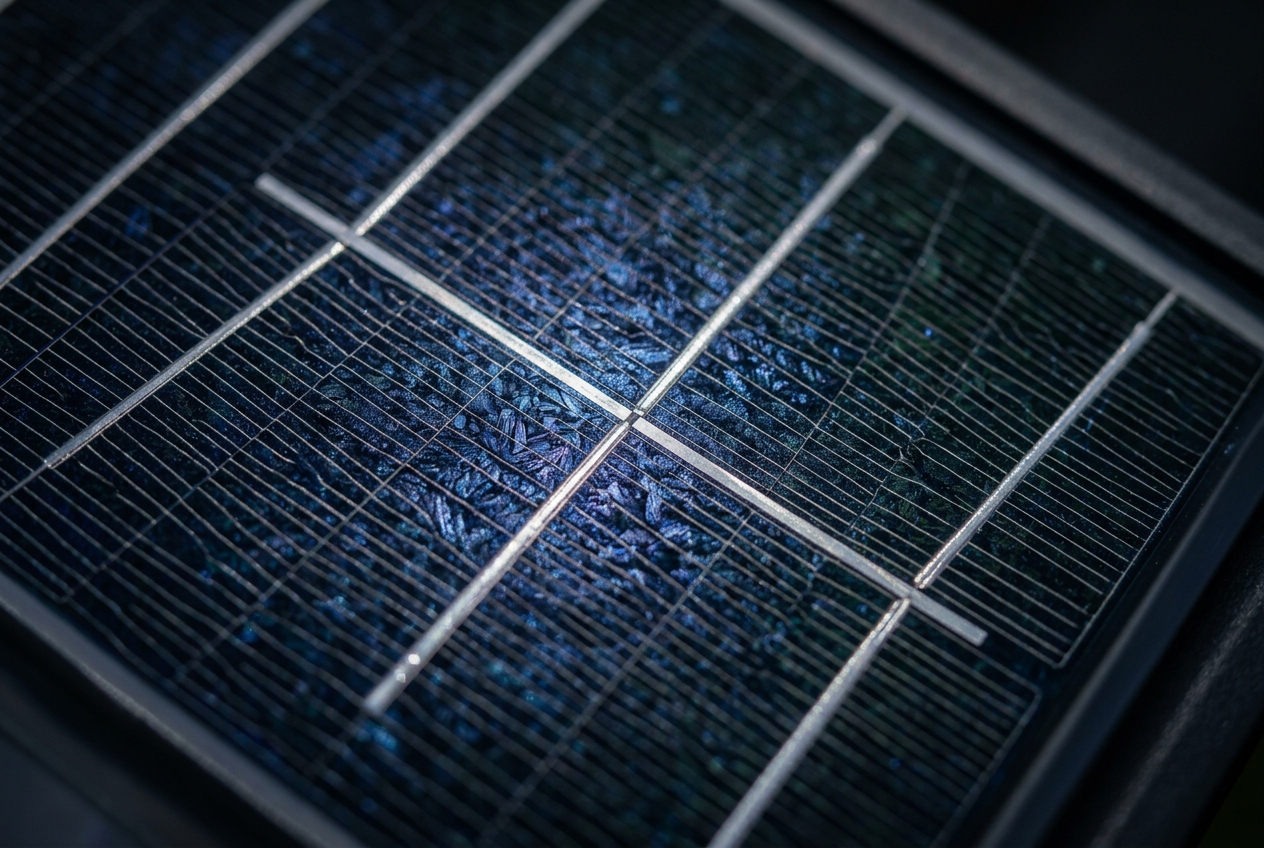
N-Type TOPCon vs Mono PERC in Kerala: Generation Efficiency, Monsoon Performance & Heat Degradation
Read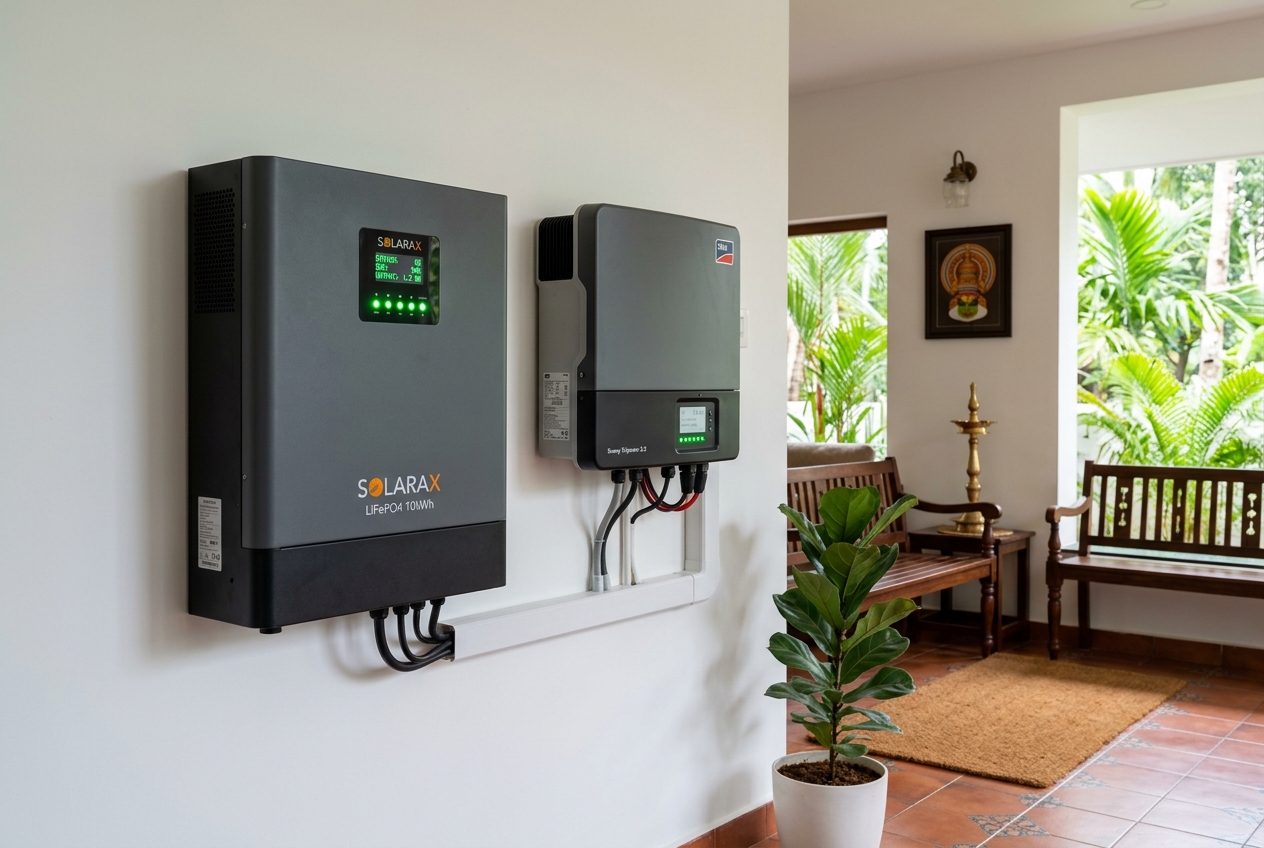
Solar Technology & Hardware
Hybrid Solar Systems with LiFePO4 Storage: Grid-Interactive Inverters & Power Outage Protection
Read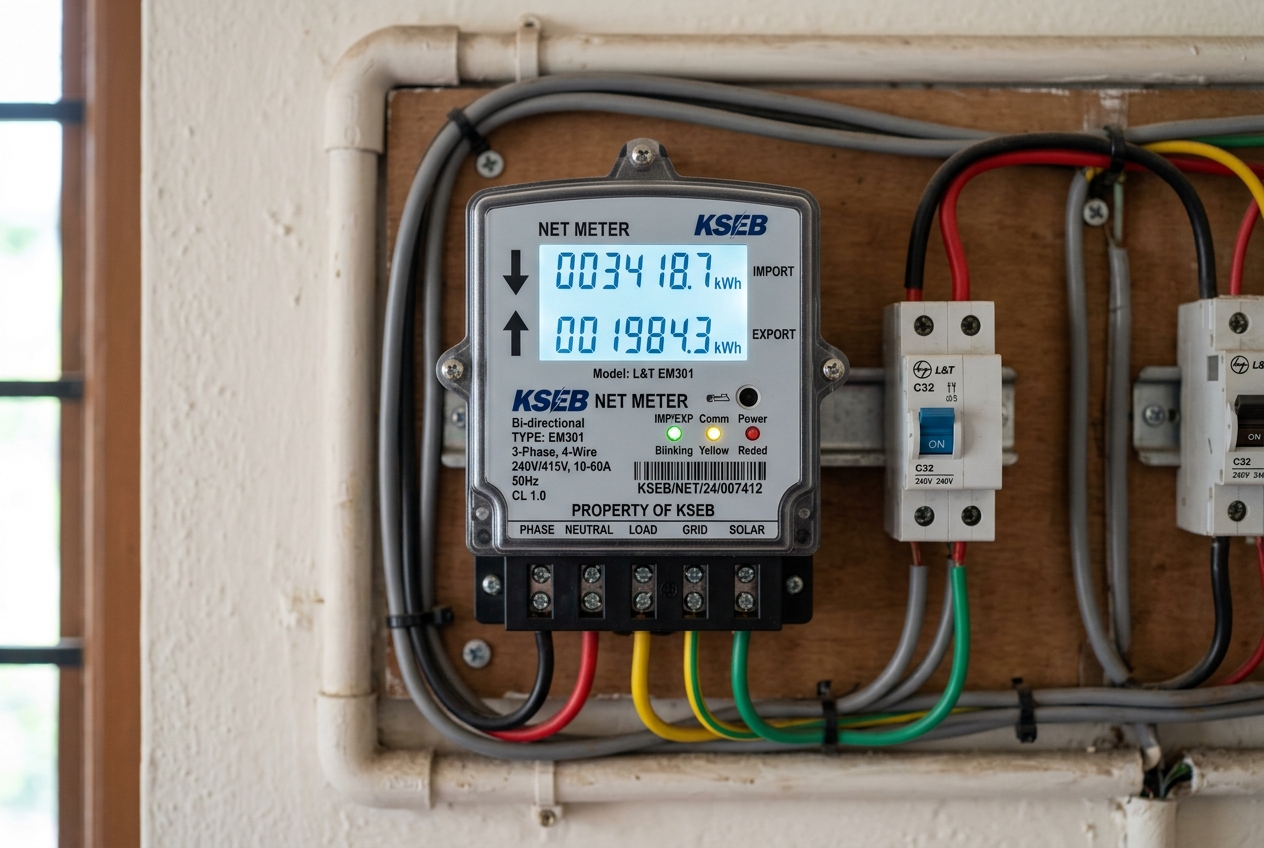
KSEB & Kerala Regulations