

DCR vs Non-DCR Solar Panels in Kerala: PM Surya Ghar Mandate & Consumer Guide
Understand what Domestic Content Requirement (DCR) means, why DCR certified solar modules are strictly mandatory for central government subsidies, and when non-DCR panels can be utilized.
Disclaimer: GSR Energies is an independent solar EPC contractor empaneled for PM Surya Ghar & KSEB net-metering installations. Government policies and subsidy guidelines are referenced directly from MNRE/KSEB official notifications. Regulations, tariffs, fees and application procedures may change; confirm the latest official KSEB/KSERC/MNRE information before making a final investment decision.
- DCR (Domestic Content Requirement) mandates that BOTH solar cells and solar modules must be manufactured within India.
- Residential rooftop solar systems claiming PM Surya Ghar DBT subsidies (up to ₹78,000) MUST use 100% DCR-certified panels.
- Non-DCR panels use imported solar cells (even if assembled into modules in India) and are completely ineligible for central government subsidies.
- Non-DCR panels are legal and widely used in commercial, industrial, and non-subsidized installations where market pricing is lower.
- Every DCR module features an internal RFID chip and unique barcode registered on the MNRE national manufacturing database.
Table of Contents
What Does DCR (Domestic Content Requirement) Mean?
In the solar photovoltaic manufacturing process, raw silicon wafers are chemically processed into photovoltaic solar cells, which are then interconnected, laminated with EVA and backsheet, and framed into a finished solar panel (module).
A "DCR Module" is one where both the photovoltaic cells and the module assembly were manufactured inside India by an MNRE-certified manufacturing facility. If a manufacturer imports solar cells from China or Southeast Asia and only laminates the panel in India, it is classified as Non-DCR.
Detailed Comparison: DCR vs Non-DCR Solar Panels
Both technologies offer comparable energy conversion efficiency when sourced from reputable Tier-1 brands. The fundamental distinction lies in regulatory eligibility and supply chain origin.
| Feature / Criteria | DCR Solar Panels | Non-DCR Solar Panels |
|---|---|---|
| Solar Cell Origin | Manufactured inside India | Imported (China, Vietnam, Malaysia, etc.) |
| Module Assembly | Manufactured inside India | Manufactured in India or Imported |
| PM Surya Ghar Subsidy Eligible? | YES — 100% Eligible for Central DBT (₹78k) | NO — Disqualified from all government subsidies |
| ALMM Listing Status | Mandatory ALMM List-I certification | Subject to ALMM or Open-Access regulations |
| Primary Applications | Residential Rooftops, Government Buildings, CPSU tenders | Commercial & Industrial, Open Access, Private captive arrays |
| Market Pricing | Slightly higher due to domestic cell production scale | Typically 10%–15% lower capital cost per watt |
| RFID & Barcode Tracking | Mandatory internal RFID laminated beneath glass | Standard manufacturer barcode |
Why DCR Compliance is Strictly Enforced by KSEB & MNRE
Under the PM Surya Ghar national scheme guidelines, the central subsidy (Direct Benefit Transfer) is funded by Indian taxpayers to stimulate domestic manufacturing capacity and eliminate dependence on foreign energy supply chains.
When KSEB engineers visit your rooftop for the final commissioning inspection, they scan the internal RFID tag located underneath the solar glass. If the RFID serial number does not match an approved DCR batch on the MNRE National Portal, KSEB cannot issue the commissioning report, and your subsidy claim is permanently rejected.
How Kerala Homeowners Can Verify DCR Authenticity
1. Inspect the Module Label: Look for the clear inscription: "Made in India" and "DCR Compliant Cell & Module".
2. Check the ALMM Model Number: Verify that the manufacturer model number appears on the current MNRE ALMM List published on mnre.gov.in.
3. Review the Warranty Certificate: GSR Energies provides the official manufacturer warranty card and DCR self-declaration certificate with every residential installation.
Kerala Rooftop Solar & KSEB Implementation Impact
How these regulations, technical specifications, and standards apply specifically to homes and commercial setups connected to the Kerala State Electricity Board (KSEBL) grid:
- Protects Kerala homeowners from deceptive installers who sell cheaper non-DCR imported panels while promising government subsidies.
- Guarantees that all GSR Energies residential installations pass KSEB eKiran verification and National Portal DBT disbursement without audit rejection.
- Ensures compliance with MNRE Approved List of Models and Manufacturers (ALMM).
Frequently Asked Questions
Are non-DCR solar panels illegal in Kerala?
No. Non-DCR panels are completely legal and widely installed for commercial buildings, factories, resorts, and private off-grid setups where government subsidies are not claimed. However, they cannot be used for subsidized residential systems.
Do DCR panels generate less electricity than imported panels?
No. Modern Indian DCR modules produced by leading Tier-1 manufacturers utilize state-of-the-art N-type TOPCon cell technology with efficiencies exceeding 22.0%, rivaling top international benchmarks.
Internal Solar Resources for Kerala
Explore Helpful Kerala Solar Tools & Solutions
Solar Savings Calculator
Calculate system sizing, monthly units & PM Surya Ghar subsidy
Residential Rooftop Solar
Home solar systems (3kW – 10kW) with KSEB net metering
Commercial & Industrial Solar
Turnkey rooftop & captive solar for businesses, hospitals & factories
Verified Kerala Projects
100+ executed rooftop installations across Kerala districts
Free Site Assessment
Request shadow survey & personalized engineering feasibility
Free Solar Proposal For Your Roof
Planning Solar for Your Home or Business in Kerala?
Get an accurate rooftop survey, shadow analysis, and subsidy calculation — with zero charges and zero obligation.
Related Solar Guides & News

Central Schemes & Subsidies
PM Surya Ghar Muft Bijli Yojana in Kerala: 2026 Subsidy Structure, KSEB Feasibility & Application Guide
Read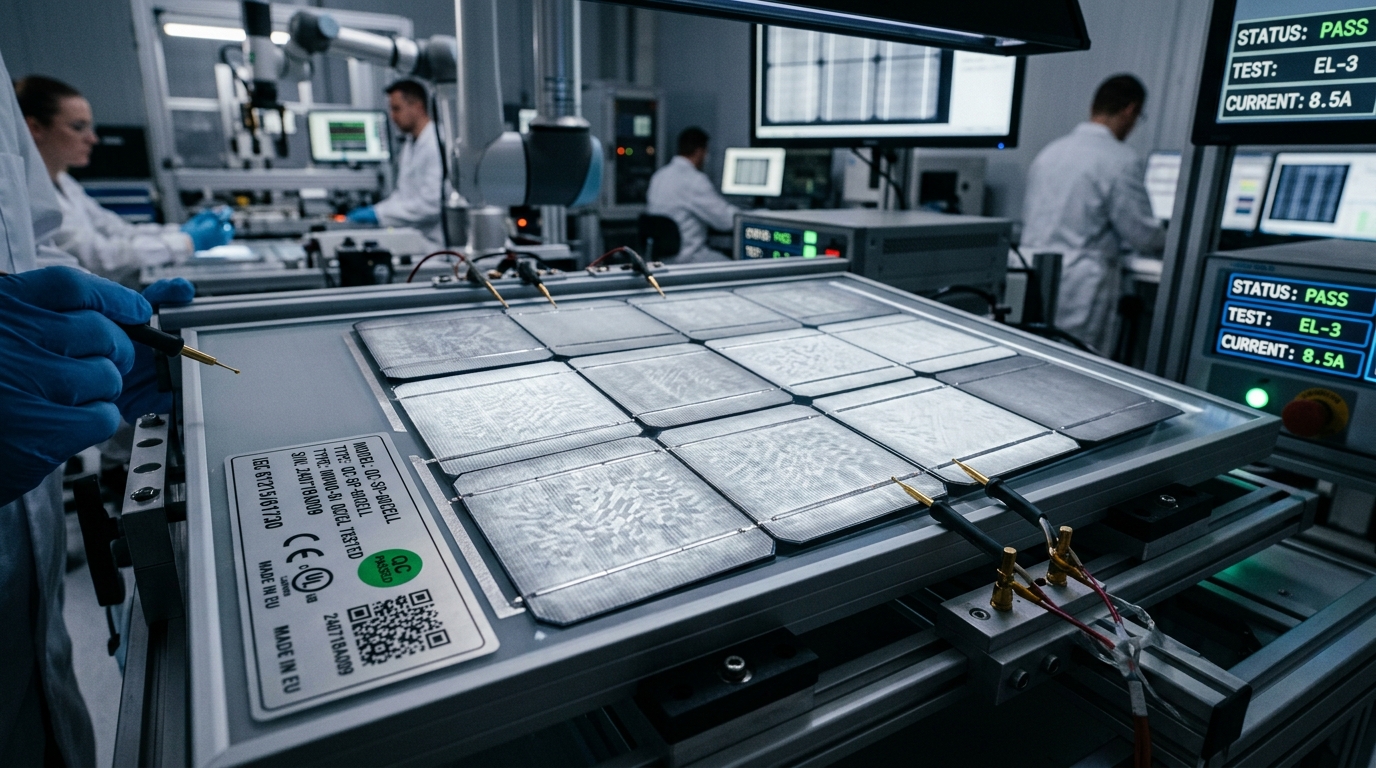
Policies & Consumer Protection
MNRE ALMM & DCR Rules Explained: Protecting Solar Buyers from Substandard & Non-Compliant Hardware
Read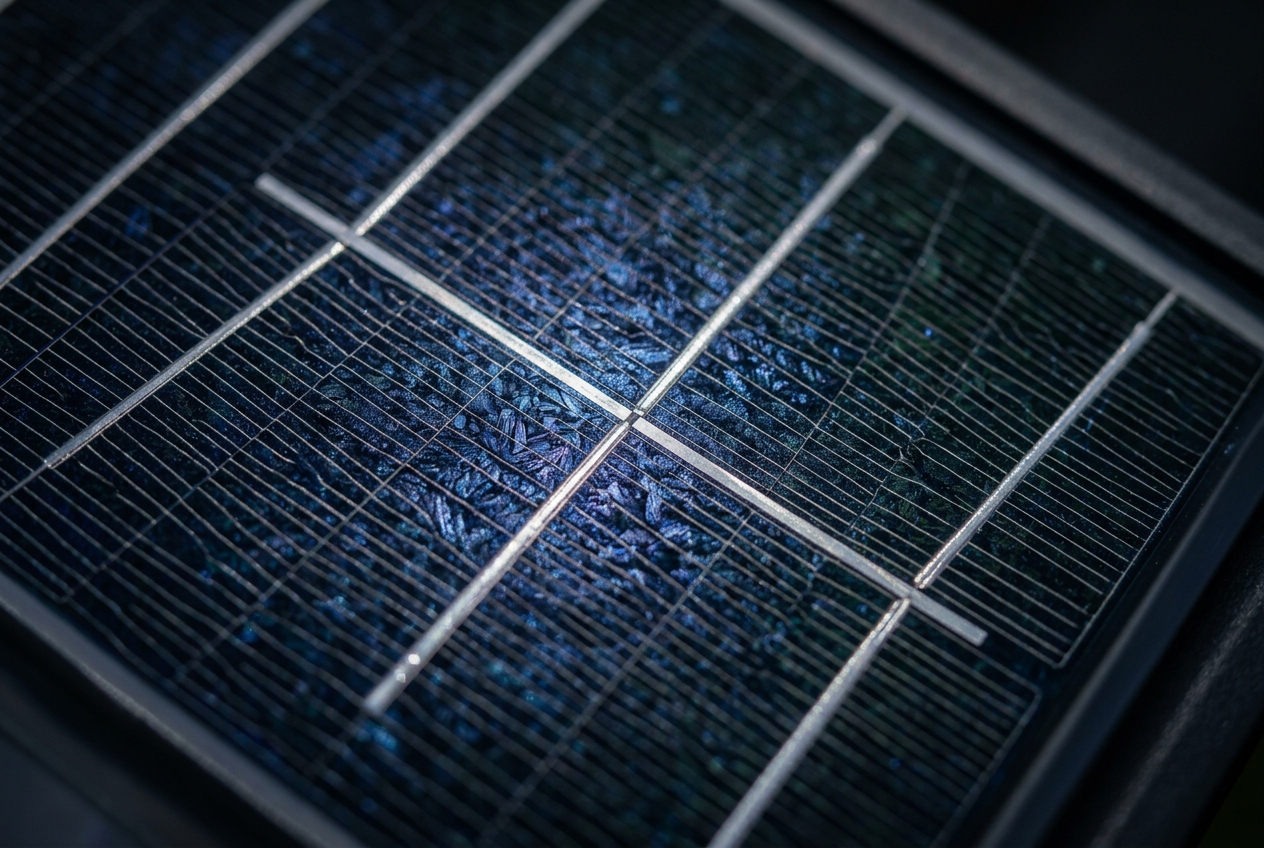
Solar Technology & Hardware